
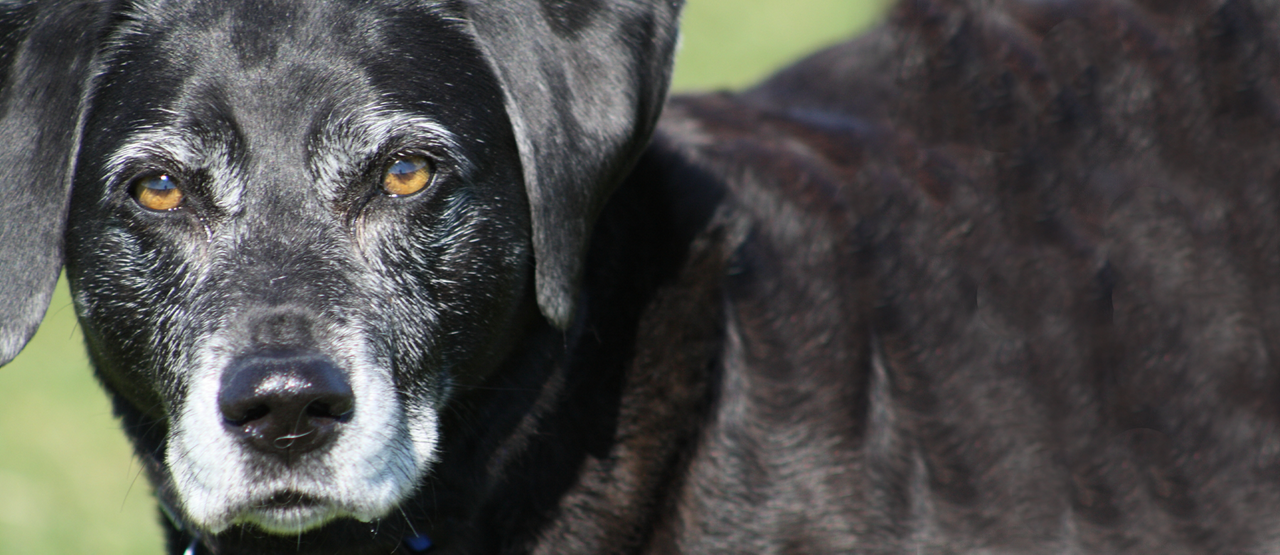
Life in Manhattan can be busy, but our pets are always right by our side — through every apartment move, park stroll, and quiet night in. As they grow older, their needs begin to change, and understanding how to care for them during their senior years is key to helping them live long, happy lives.
At Murray Hill Pet Hospital, we specialize in senior pet care for dogs and cats throughout the Murray Hill neighborhood and across New York City. Our goal is to help your aging companion stay comfortable, active, and healthy through personalized, preventive care.
When Is a Dog or Cat Considered a Senior?
The term “senior pet” might surprise some owners — many pets reach this stage earlier than expected. While each pet is different, size and breed are major factors:
Dogs:
-Extra-large breeds (90+ lbs): Senior by 6–7 years old
-Large breeds (50–90 lbs): Senior by 8–9 years old
-Medium breeds (20–50 lbs): Senior by 8–10 years old
-Small breeds (under 20 lbs): Senior by 10–12 years old
Cats: Most cats are considered seniors at 10 years old
Even if your pet still seems full of energy, age-related changes may already be affecting their joints, metabolism, or organs.
Why Preventive Care Matters for Senior Pets
As pets age, regular veterinary visits become even more important. Preventive care helps us detect health issues early — when treatment is most effective — and ensures your pet stays as comfortable as possible.
At Murray Hill Pet Hospital, our senior care services include:
-Twice-yearly wellness exams
-Comprehensive bloodwork and lab testing
-Pain management and arthritis care
-Dental cleanings and oral exams
-Nutrition and weight counseling
-Behavior and cognitive health checks
-Updated vaccines and parasite prevention
These visits give us a complete picture of your pet’s health and help us design a personalized plan that meets their changing needs.
Recognizing the Signs of Aging in Pets
Senior dogs and cats often show subtle changes that can go unnoticed in a busy household. Keep an eye out for:
-Trouble climbing stairs or jumping
-Stiffness or limping after rest
-Cloudy eyes or hearing loss
-Increased thirst or urination
-Changes in appetite or weight
-Sleep disturbances or confusion
-Bad breath or dental problems
-Anxiety or new behavioral patterns
If your pet is showing any of these signs, schedule a senior checkup — early detection can make a major difference in their comfort and longevity.
Caring for Older Pets in a Manhattan Lifestyle
Urban living presents both benefits and challenges for senior pets. Short walks on city sidewalks are great for joint-friendly exercise, but avoid slick flooring, extreme weather, and long flights of stairs whenever possible. Consider adding:
-Orthopedic bedding for extra joint support
-Elevated food and water dishes for easier eating
-Balanced senior diets to maintain a healthy weight
-Mental enrichment like puzzle feeders or gentle play
-Small adjustments at home can have a big impact on your pet’s well-being.
Compassionate Senior Pet Care in Murray Hill, NYC
At Murray Hill Pet Hospital, we’re dedicated to helping pets age gracefully and comfortably — no matter how old they get. Our experienced veterinarians provide thoughtful, compassionate care to senior dogs and cats across Manhattan, ensuring they enjoy their golden years with the love and attention they deserve.
Give your senior pet the gift of good health. Schedule a senior wellness exam at Murray Hill Pet Hospital today!
References:
-American Veterinary Medical Association. (2023). How to care for senior pets. AVMA
-American Veterinary Medical Association. (n.d.). Preventive pet healthcare. AVMA
-Morrison, B. J. (2024, November 5). When is a dog considered a senior? PetMD
-Veterinary Partner. (2025, April 1). Signs of pain in pets. VIN Veterinary Partner